
Education level
Job area
Your role as an assistant in nursing in sterilising services
As an assistant in nursing in sterilising services, you’ll make sure our medical devices are clean and safe for patients.
This includes:
- checking and sorting used medical instruments, machines and other items
- cleaning, disinfecting or sterilising items to remove germs
- checking items are safe and ready to use again.
We have full time, part time and casual roles, and you may work different shifts as part of a team.
How your role is different from an assistant in nursing—patient care
Your role supports a vital part of patient care, but you won't be caring for patients in person. We have assistants in nursing in patient care who do this as part of a nursing team. You need different skills and qualifications for each role.
What your day might look like
Many people in this role are part of a central sterilising team in our hospitals.
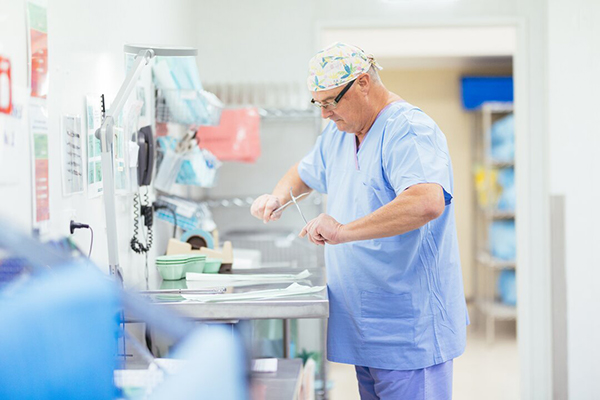
You’ll process a range of items, such as scalpels, scissors, clamps and scopes (flexible cameras), and take apart anything that’s hard to clean.
You’ll use heat, steam, chemicals and special machines to clean items in line with Australian standards. After checking items are safe to reuse, you’ll pack and distribute them to our wards, operating theatres, specialist clinics and birth suites.
We also have jobs supporting a specific medical unit or service, such as dentistry.
Read more about working as an assistant in nursing in sterilising services on the Your Career website.
Qualifications
Certificate III in Sterilisation Services.
Pay and benefits
Your pay rate and benefits will depend on your role and your pay point. In your first year you’ll start at nursing grade 1, band 2, pay point 1.
We also offer:
- regular wage increases
- a superannuation rate of 12.75%
- a supportive workplace with flexible working arrangements
- several types of leave
- salary packaging
- help with ongoing professional development costs.
If you're moving to start a new job with us, you may be able to get help with moving and travel costs.

Rural and remote opportunities
You may be able to get financial incentives and other benefits if you work in rural and remote areas.
Professional growth
You’ll develop your professional skills through:
- orientation programs for new staff
- workplace learning and coaching
- online training courses
- professional development and upskilling opportunities.
Career paths
Doing more study when you’re an assistant in nursing in sterilising services can lead to work in other roles.
If you plan to do more study, ask your training provider if your past studies can count towards a higher qualification.