
Education level
Job area
Your role as an enrolled nurse
As an enrolled nurse (EN), you’ll care for people recovering from injuries or illnesses, and support them with long term health problems, like asthma and diabetes.
This includes:
- providing hands on care – showering, dressing and eating
- monitoring vital signs – taking temperature, pulse and blood pressure
- supporting clinical procedures – helping with wound care, basic clinical tasks and giving medicine.
Enrolled nurses can also work in a range of specialty areas, such as:
- mental health
- prison healthcare
- cancer care
- pregnancy, birth and baby care
- child, youth and family health
- rehabilitation
- aged care
- Aboriginal and Torres Strait Islander health.
We have full time, part time and casual roles, and you may work different shifts as part of a team.
How an enrolled nurse is different to a registered nurse
Enrolled nurses work in a team with registered nurses or midwives, and follow their guidance about patient care. Registered nurses and midwives have a university degree and more responsibility.
What your day might look like
If you work in one of our hospitals, you’ll start your shift by checking in with the team and reviewing patient needs.
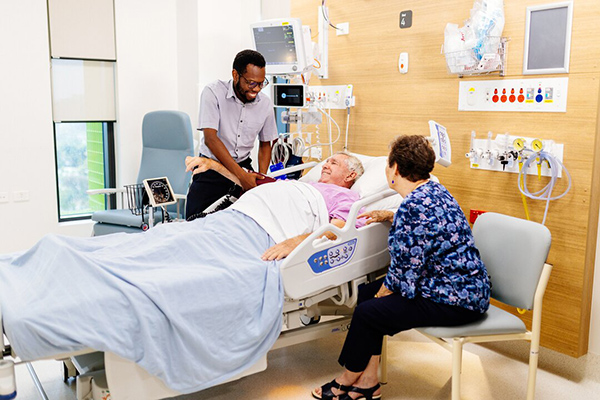
Throughout the day, you’ll provide hands on care, take observations, give medicines, and support treatments while being supervised by a registered nurse. You’ll spend time with patients and share important updates with the care team.
If you’re working in a community clinic or a rural and remote area, you’ll care for people with a wider range of health needs. You might travel a long way to see patients in isolated areas with limited resources and support. You may also offer virtual care and telehealth support over phone and video calls.
Read more about working as an enrolled nurse on the Your Career website.
Qualifications
Diploma of Nursing, including clinical placements.
Professional registration
You must be registered with the Nursing and Midwifery Board of Australia.
Pay and benefits
Your pay rate and benefits will depend on your role and your pay point. In your first year you’ll start at nursing grade 3, pay point 1.
We also offer:
- regular wage increases
- a superannuation rate of 12.75%
- a supportive workplace with flexible working arrangements
- several types of leave
- salary packaging
- help with ongoing professional development costs.
If you're moving to start a new job with us, you may be able to get help with moving and travel costs.
Rural and remote opportunities
You may be able to get financial incentives and other benefits if you work in rural and remote areas.
Professional growth
We help new nurses transition from academic learning to professional practice through our nurse and midwife graduate program.
You’ll also develop your professional skills through:
- orientation programs and transition support for new staff
- workplace learning and coaching
- online training courses
- professional development and formal education.
Career paths
Doing more training after you become an enrolled nurse can lead to other roles.
If you plan to do more study, ask your training provider if your past studies can count towards a higher qualification.