
Education level
Job area
Your role as a dental technician
As a dental technician, you’ll make devices that people wear to improve their teeth, bite or oral function (prosthetics).
This includes:
- creating virtual and 3D models of patients’ mouths and jaws
- using computers to design devices
- building, testing and repairing devices.
We have full time, part time and casual roles.
How a dental technician is different from other dentists
A dental technician doesn’t see patients in person. They work with registered dental professionals like dentists, dental prosthetists and dental specialists who assess patients and direct their care.
What your day might look like
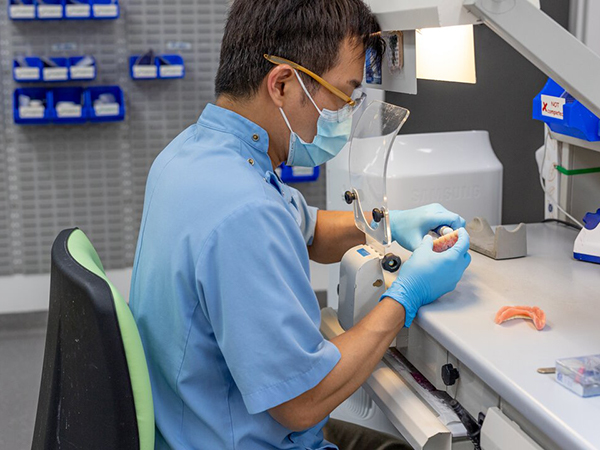
Most dental technicians work in labs at our hospitals or clinics. You’ll start the day by checking in with your team and discussing patient needs.
You’ll use scans, moulds and measurements to design custom devices like:
- false teeth and gums (dentures, crowns, bridges and implants)
- plates that replace missing or damaged bone or tissue (maxillofacial prosthetics)
- devices that align, stabilise or protect the jaw and teeth (mouthguards and splints).
A big part of your day will be making or repairing these devices to precise standards. You’ll use a range of materials and techniques, including:
- design software and 3D printers
- plaster casts, metal casts and wax moulds
- wire bending and spot welding
- metal polishing, electroplating, sandblasting and ceramics.
Read more about dental technicians on the Your Career website.
Qualifications
You'll have one of the following qualifications.
- Diploma of Dental Technology
- Bachelor’s degree in dental technology
Pay and benefits
Your pay rate and benefits will depend on your role and your pay point. In your first year you’ll start at health practitioner grade 2, pay point 1.
We also offer:
- regular wage increases
- a superannuation rate of 12.75%
- a supportive workplace with flexible working arrangements
- several types of leave
- salary packaging
- help with radiation licence and ongoing professional development costs.
If you're moving to start a new job with us, you may be able to get help with moving and travel costs.
Professional growth
You’ll develop your professional skills through:
- orientation programs for new staff
- workplace learning and coaching
- self-directed learning
- professional development and upskilling opportunities.
Career paths
Getting experience as a dental technician or doing more study can lead to other roles.
- Dentist
- Dental prosthetist
- Dental specialist (prosthodontics)
- Dental service manager
If you plan to do more study, ask your training provider if your past studies can count towards a higher qualification.