
Education level
Job area
Your role as a speech pathologist
As a speech pathologist you'll diagnose and treat communication difficulties and disorders. You'll also help patients who have problems with eating and swallowing.
Your role will involve:
- giving treatments, like activities to reduce speech or language difficulties
- developing rehabilitation plans to help people improve their communication or eating skills
- finding strategies and tools to help people communicate (augmented and alternative communication), for example sign language and text to voice devices.
As you get more experienced you could move into senior or advanced speech pathology roles.
What your day might look like
You'll work as part of a team of specialists in a hospital, in the community or in a mental health setting. You might also provide telehealth and outreach services to people throughout Queensland.
You'll be working with people who have trouble speaking, listening and understanding language, or eating and drinking. These issues might be caused by things like:
- development delays
- learning or intellectual disabilities
- stroke, brain injuries and cerebral palsy
- dementia
- hearing loss.
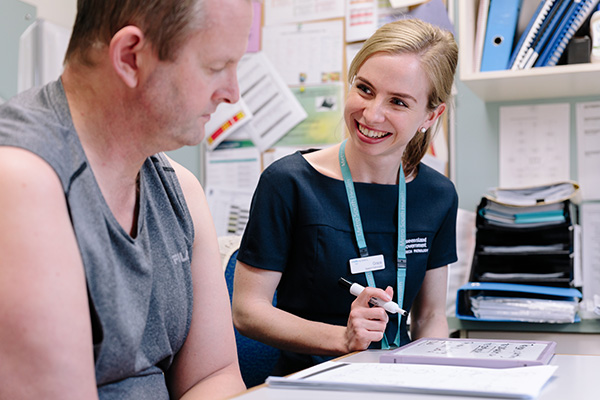
Speech pathology is a very hands on role. You'll be supporting patients through their exercises and helping them learn new ways of communicating or eating and drinking safely. Every patient will be different, so you'll need to be creative and have good problem solving skills.
You'll work closely with families and other allied health professionals, doctors, nurses and clinical assistants.
Read more about what speech pathologists do at Speech Pathology Australia.
Qualifications
Bachelor's or graduate entry master's degree in speech pathology
Professional registration
Eligible to be a member of Speech Pathology Australia.
Pay and benefits
Your pay rate and benefits will depend on your role and your pay point. In your first year you’ll start at health professional grade HP3, pay point 1. You’ll get a different rate if you’re in a higher level role.
We also offer:
- regular wage increases
- a superannuation rate of 12.75%
- a supportive workplace with flexible working arrangements
- several types of leave
- salary packaging
- help with ongoing professional development costs.
Rural and remote opportunities
You may also be able to get financial incentives and other benefits if you work in rural and remote areas.
Read about our opportunities for rural allied health careers.
Professional growth
Continuing professional development (CPD) is an essential part of being a speech pathologist. You'll have access to courses, training, research and other educational experiences to keep developing your skills and knowledge.
Career paths
Doing more training after you become a speech pathologist can lead to other roles.
- University lecturer
- Clinical researcher
- Team leader or director (management)
- Workforce development officer
- Audiologist
- Project officer
If you plan to do more study, ask your training provider if your past studies can count towards a higher qualification.