
Education level
Job area
Your role as a physiotherapist
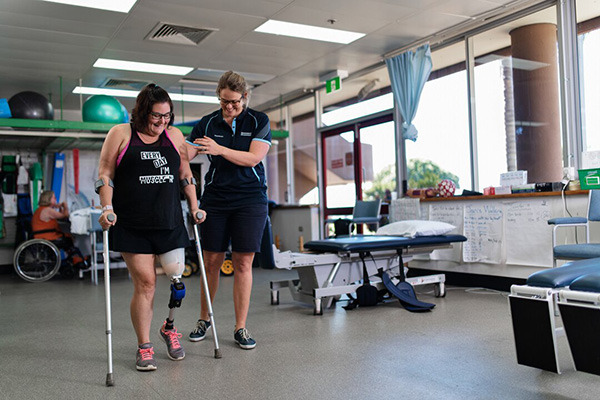
Physiotherapists look after everything to do with moving parts in the body. That can include things like bones, joints, muscles, ligaments, nerves and even lungs. They help people move better, feel less pain and stay active and healthy.
You will help people to move to their full potential by:
- assessing and diagnosing issues with movement and function
- designing rehabilitation and injury prevention programs
- using exercise therapy, education and manual therapy techniques to support recovery after injury, illness or surgery
- fitting equipment and support aids, like splints, casts and crutches.
How a physiotherapist is different to an exercise physiologist
Physiotherapists and exercise physiologists both use physical activity as treatment. Physiotherapists diagnose injuries and conditions in things like bones, joints and muscles. They focus on physical conditions. Exercise physiologists use exercise to manage chronic conditions and improve physical and mental health and wellbeing. They both use motivational interviewing for healthy lifestyle changes.
What your day might look like
You'll work as part of a team seeing patients in a hospital, clinic, emergency department, in their home or out in the community. You'll work with patients of all ages to treat and manage:
- serious injuries like broken bones or torn ligament injuries from sport, car accidents or other incidents
- heart and lung problems, including helping people get better after serious illness, clearing their airways, and helping them breathe on their own again
- chronic conditions, like arthritis
- neurological conditions like brain or spinal cord injuries, Parkinson's disease and multiple sclerosis (MS).
You'll also help with rehabilitation and recovery after stroke, heart attack, cancer and surgeries. You can choose to specialise in any of these areas.
Your role will involve working closely with other health professionals to take a holistic approach to looking after your patients.
Physiotherapy can be very physical work because movement is the core of the profession. Helping patients regain strength, mobility and independence means you are actively involved in their movement too.
Read more about working as a physiotherapist on Your Career.
Qualifications
Bachelor’s degree in physiotherapy, or graduate entry master's or doctorate of physiotherapy.
Professional registration
Registered with the Australian Health Professions Regulation Agency (Ahpra) through the Physiotherapy Board of Australia
Pay and benefits
Your pay rate and benefits will depend on your role and your pay point. In your first year you’ll start at health professional grade HP3, pay point 1. You’ll get a different rate if you’re in a higher level role.
We also offer:
- regular wage increases
- a superannuation rate of 12.75%
- a supportive workplace with flexible working arrangements
- several types of leave
- salary packaging
- help with ongoing professional development costs.
If you're moving to start a new job with us, you may be able to get help with moving and travel costs.
Rural and remote opportunities
You may also be able to get financial incentives and other benefits if you work in rural and remote areas.
Learn about our opportunities for rural allied health careers.
Professional growth
Continuing professional development (CPD) is an essential part of being a physiotherapist. You'll have access to courses, training, research and other educational experiences to keep developing your skills and knowledge.
Career paths
Doing more training after you become a physiotherapist can lead to other roles such as:
- University lecturer
- Clinical researcher
- Team leader or director (management)
- Workforce development officer
- Project officer
If you plan to do more study, ask your training provider if your past studies can count towards a higher qualification.