
Education level
Job area
Your role as a paramedic
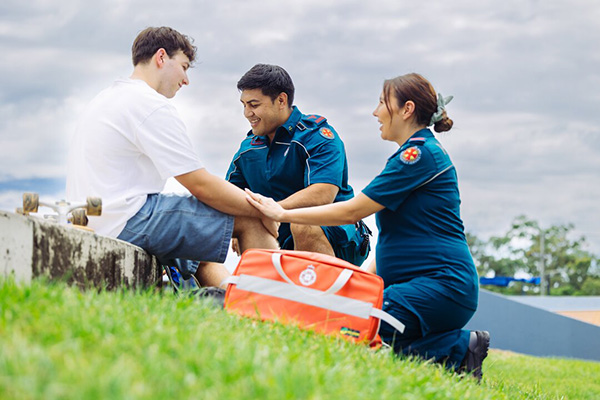
As a paramedic, you’ll provide emergency medical care and ambulance transport for people who are sick or injured. This includes:
- assessing a person's condition
- giving life saving first aid and medical care
- caring for patients on the way to hospital.
We have full time, part time and casual roles, and you may work different shifts as part of a team.
How your role is different from other emergency roles
Paramedics are health professionals who give urgent care during a medical emergency to people at home or the community. We also have remote hospital paramedics who support routine care in remote areas. An emergency medical dispacher is the person you talk to when calling Triple Zero (000) for an ambulance.
What your day might look like
In this role, you’ll work for the Queensland Ambulance Service (QAS) and be based at one of our ambulance stations. You’ll be part of an ambulance crew that we send to help people who need medical care in an emergency.
When you arrive, you’ll make sure it’s safe to help and check the person for life threatening problems. You’ll give any urgent care they need, such as:
- opening and clearing their airway
- helping them breathe
- keeping their blood flowing
- treating problems with their heart rhythm
- stopping or slowing bleeding
- giving medicines for pain or conditions like asthma, severe allergies or low blood sugar
- support and treatment during situations like childbirth or a seizure.
You’ll take people who need more care to our hospital emergency departments by ambulance. Emergency staff will help you safely transfer patients into their care so you can quickly return to the community to help more people. After each job, you’ll record information about what happened to the patient and what treatments they had.
You’ll also work with police, fire and other rescue services to keep people safe during:
- major traffic accidents or water rescues
- floods, storms, bushfires and other natural disasters
- building fires, chemical spills and radiation incidents
- violence, safety threats, or mental health emergencies.
When you’re not out on a job, you’ll be getting your ambulance ready for emergencies and practising clinical skills. You’ll also provide medical care for stable patients who need to travel in our ambulances for non-urgent health care.
Qualifications
You need a bachelor’s degree in paramedicine or health science (paramedicine). You also need a current first aid certificate (HLTAID011 Provide first aid) including CPR training (HLTAID009 Provide cardiopulmonary resuscitation). The QAS offers cadet programs for indigenous and multicultural paramedic students .
If you have less than 2 years work experience, you must also do the Queensland Ambulance Service graduate paramedic program.
You’ll also need the following Queensland driver licences:
- C Class (manual vehicle) driver licence
- LR Light Rigid (manual vehicle) driver licence.
Learn more about licence types on the Queensland Government website.
Professional registration
You must be registered with the Paramedicine Board of Australia.
Pay and benefits
Your pay rate and benefits will depend on your role and your pay point. In your first year you’ll start at paramedic grade 2, pay point 1.1. You’ll get a higher rate if you have qualifications and experience.
We also offer:
- regular wage increases
- a superannuation rate of 12.75%
- several types of leave, with 17.5% annual leave loading
- flexible working arrangements and a supportive workplace with free counselling and peer support
- salary packaging
- help with training costs.
If you're moving to start a new job with us, you may be able to get help with moving and travel costs.
Learn more about working for the Queensland Ambulance Service
Rural and remote opportunities
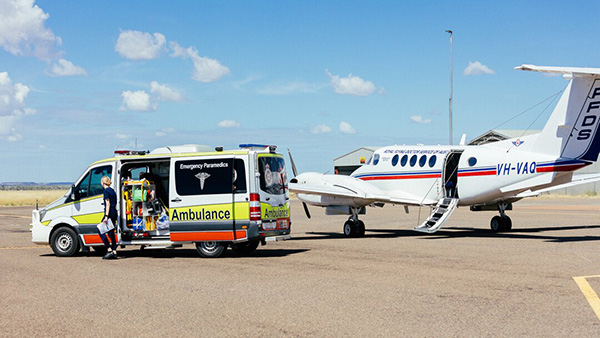
We have paramedic roles right across Queensland, from major cities to rural and remote communities. The Queensland Ambulance Service has a list of ambulance stations in each region.
Experienced paramedics can also work in our remote hospitals and health centres supporting routine care. Learn more about remote hospital paramedics.
Professional growth
We’ll help you grow your professional skills through:
- orientation programs and transition support for new staff
- workplace learning and coaching
- training and research programs and grants
- study leave and financial help for approved courses.
Career paths
Getting experience as a paramedic or doing more training can lead to other roles.
- Critical care paramedic
- Specialist paramedic in an area such as flight retrieval, mental health or falls
- Operational supervisory roles
- Remote hospital paramedic
If you plan to do more study, ask your training provider if your past studies can count towards a higher qualification.