
Education level
Job area
Your role as a dietitian
As a dietitian, you’ll be an expert in using food and nutrition to improve the health of people and communities.
You'll do things like:
- making sure people in hospital get nutritious food at regular times and in a calm space
- helping people who are having trouble eating get the nutrition they need
- helping people manage their long term conditions, like diabetes or heart disease
- teaching people about the benefits of good nutrition and how to eat well at home.
You could also work in nutrition focused roles and give advice to policy makers about using food and nutrition to improve public wellbeing.
We have full time, part time and casual roles.
What your day might look like
You'll help manage food and nutrition services in hospitals, the community and aged care. You might also work in areas like public health, policy and research.
On a typical day in a hospital or clinic, you'll work with a lot of different patients. You could be:
- checking their nutrition and hydration levels
- creating and adjusting their meal plans to help them meet their nutritional needs
- teaching them about the best way to eat at home for their health condition or recovery.
You'll also be working closely with other health professionals to collaborate on patient care. That includes:
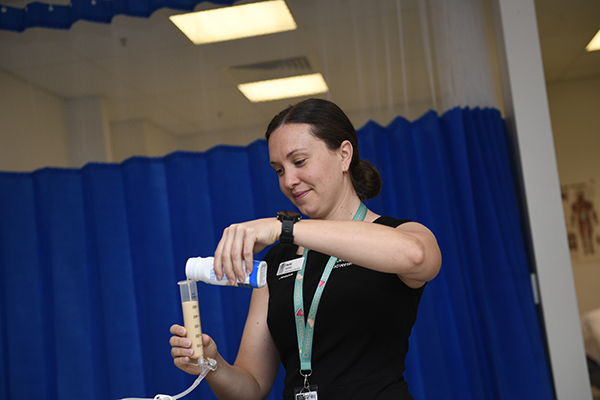
- creating and adjusting nutrition formulas with pharmacists and medical staff
- working with speech pathologists to help patients who are having trouble swallowing.
You'll work with cooks to make sure hospital menus are nutritious and meet quality and safety standards. You'll also be teaching food service staff about how to create a positive eating environment.
Every day you'll be helping your patients make manageable changes to eat well and stay healthy.
Read more about working as a dietitian on Your Career.
Qualifications
Bachelor's or master's degree in nutrition and dietetics from a program accredited by Dietitians Australia.
Professional associations
- Eligible for membership with Dietitians Australia
- Encouraged to hold the accredited practicing dietitian credential
Pay and benefits
Your pay rate and benefits will depend on your role and your pay point. In your first year you’ll start at health professional grade HP3, pay point 1. You’ll get a different rate if you’re in a higher level role.
We also offer:
- regular wage increases
- a superannuation rate of 12.75%
- a supportive workplace with flexible working arrangements
- several types of leave
- salary packaging
- help with ongoing professional development costs.
If you're moving to start a new job with us, you may be able to get help with moving and travel costs.
Rural and remote opportunities
You may also be able to get financial incentives and other benefits if you work in rural and remote areas.
Read about our opportunities for rural allied health careers.
Professional growth
Continuing professional development (CPD) is an essential part of being a dietitian. You'll have opportunities to build CPD points through:
- research and quality improvement
- education and training in specific interest areas
- participating in supervision and mentoring
- attending conferences and workshops.
Career paths
If you're a dietitian, you can also work as a nutritionist. Doing more training after you become a dietitian can lead to other roles including research, education and other practice areas.
If you plan to do more study, ask your training provider if your past studies can count towards a higher qualification.