
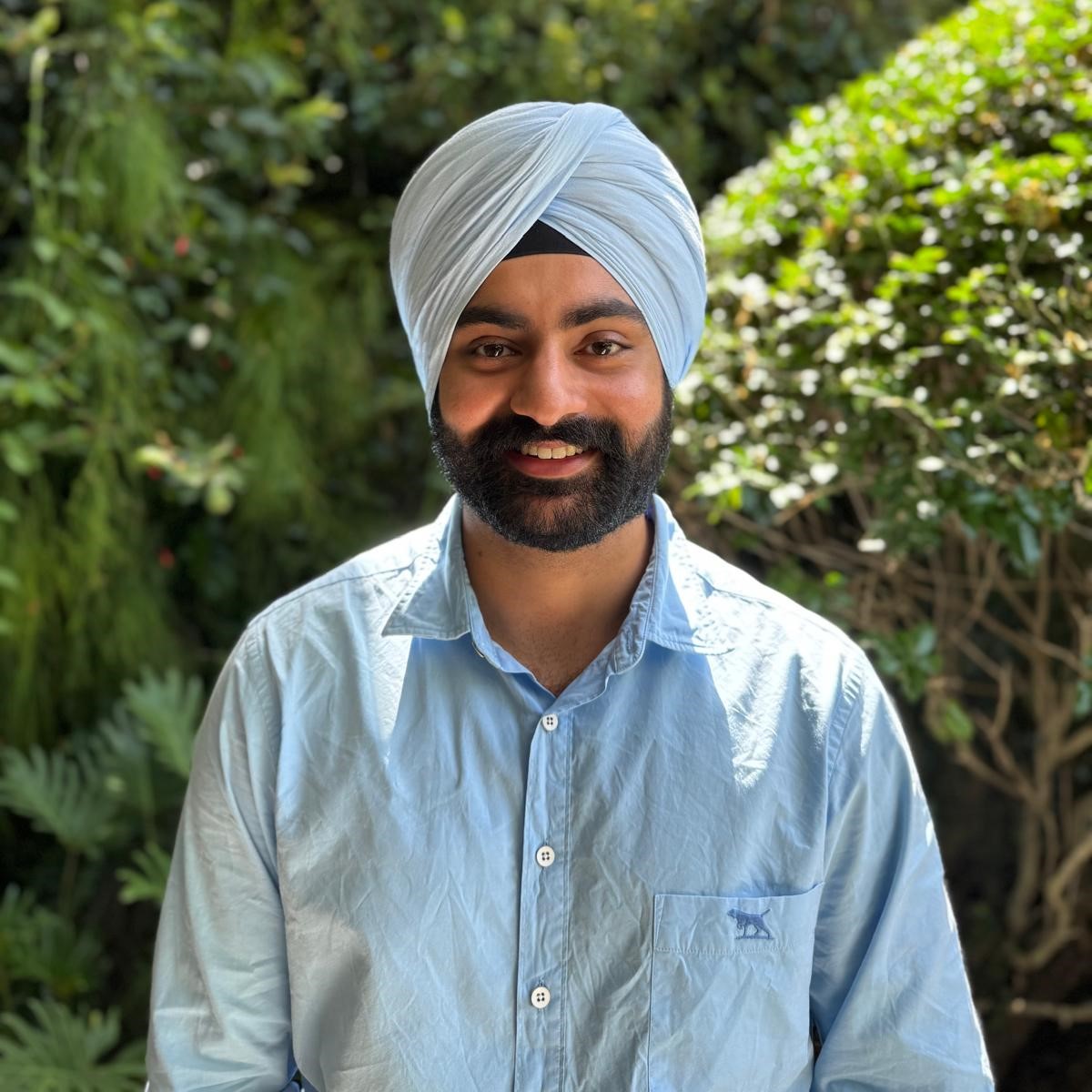
Born in New Zealand to Indian migrant parents and raised in Rotorua, Dr Kuljyot Lall completed medical school at Bond University before commencing as an intern at Sunshine Coast Hospital in 2026. We caught up with Kuljyot between his shifts and hockey games for insight into his journey so far.
Why rural?
Growing up, I experienced the strengths and challenges of rural healthcare. I felt a strong desire to give back to rural communities in a meaningful way. During medical school, I completed rural placements across Australia and New Zealand. I experienced a variety of rural settings and healthcare systems. With access to resources and specialist services often limited in rural healthcare, you learn to think critically, adapt and rely on your clinical skills when managing patients. I also really valued the close working relationships formed in smaller hospitals and communities. You work alongside colleagues who genuinely support one another and that creates a strong sense of teamwork and unity both inside and outside the workplace.
Living and working in a rural community you truly see the impact healthcare has on people’s lives. You are often the first point of contact for a patient regardless of the severity or complexity of their presentation. It’s an incredibly broad and rewarding clinical experience that exposes you to both clinical and non-clinical challenges. You quickly learn the importance of adaptability, teamwork and communication. While remoteness can feel isolating at times - particularly being away from your family or support networks - it also encourages strong connections within the workplace and community. I’ve found that rural teams look out for one another which helps foster a healthier work/life balance and supportive environment.
Looking at the ‘whole’ person
As a Sikh born and raised in rural New Zealand, my upbringing exposed me to a wide range of cultures, ethnicities and backgrounds. I was the first non-Catholic Head Prefect at my Catholic school. My experiences instilled the importance of inclusivity and respectful communication, which has shaped the way I practise medicine. As a clinician I recognise how cultural beliefs and personal values influence healthcare decisions. Taking the time to understand patients as people helps build trust and rapport.
Working in healthcare also allows me to live out the Sikh principle of ‘seva’ – selfless service to others – in a meaningful way. I embrace this by sharing aspects of my culture, learning from others and striving to provide care that is both compassionate and culturally appropriate.
Finding balance outside of work
Hockey is a huge part of my life. I’ve played competitively for many years at a national level and in overseas competitions. It’s had a significant impact on both my personal and professional life. Sport is one of the easiest ways to connect socially within rural communities. It’s helped me build friendships and relationships outside of medicine. It has also taught me resilience, discipline, teamwork and how to perform under pressure - all qualities that translate well into healthcare. Equally importantly, hockey provides balance. Having something outside of medicine allows me to reset, stay active and recharge which has been invaluable for my wellbeing.
My advice to junior doctors
If you’re considering rural medicine or moving into a new rural community, my advice is to take every opportunity available to you and not be afraid to step outside your comfort zone. Your junior years, particularly internship, are some of the safest and most important times to learn and make mistakes under supervision. One of the best pieces of advice mentors gave me was to actively seek out the patients or situations that make you least comfortable because that is where the greatest growth happens. Over time those difficult situations become the ones you are most confident managing. Rural medicine can be challenging but it is also incredibly rewarding. The more you engage with your colleagues and community the more fulfilling it becomes.